When To Consider Implant-Supported Dentures Over Traditional Dentures
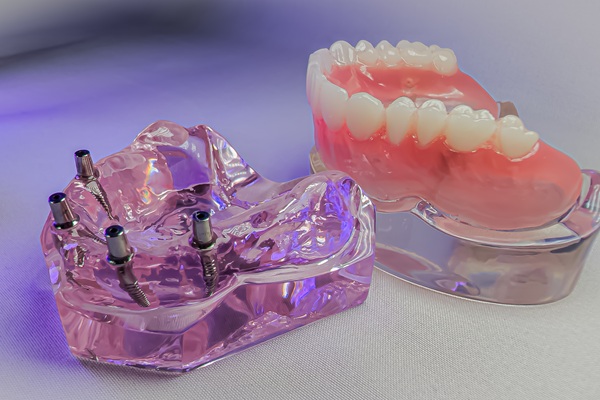
Replacing missing teeth is about more than just aesthetics. It is about how you eat, how you speak, and how you feel in social settings. Fortunately, implant-supported dentures can replace teeth in a way that looks beautiful and feels natural. While traditional dentures have long been the standard, many patients eventually find themselves looking for something more stable. Learning more about this modern alternative can help you determine whether making the switch is the right move for your health and happiness.
When traditional dentures stop feeling stable
Traditional dentures rest directly on the gum tissue, staying in place using natural suction or dental adhesives. While this setup works for many at first, the jawbone begins to change once natural teeth are gone. Without tooth roots to stimulate the bone, the jaw gradually shrinks and loses its shape. This process is called resorption, and it is the reason a denture that fit well three years ago might start to slip, click, or feel loose today.
When a denture no longer fits well, friction can result. This friction often leads to painful sore spots and inflammation that make wearing the appliance a daily struggle. Adhesives can offer a temporary fix, but they cannot stop resorption. As the fit continues to shift, patients may also notice that their ability to speak clearly or chew effectively has declined. These issues may motivate a patient to seek a more permanent smile restoration.
Why switch to implant-supported dentures?
Implant-supported dentures work differently from traditional dentures because the dentist anchors them to small titanium posts (dental implants) placed into the jawbone. These posts act as artificial tooth roots. Instead of the denture sitting over the gums, it snaps or screws onto these anchors for a firm hold. This connection creates a level of stability that traditional dentures simply cannot match. Some designs allow the patient to remove the denture at night for cleaning, while others remain permanently fixed in place.
The advantage of implant-supported dentures is most noticeable during meals. Because the implants transfer the force of chewing directly into the bone, rather than pressing down on the sensitive gums, patients often notice a much stronger bite. This change allows for a much more varied diet and preserves the jawbone through regular stimulation. The appliance also stays in place, helping eliminate the fear of the teeth shifting at an awkward moment. Therefore, for many, implant-supported dentures provide a sense of sturdiness that feels closer to natural teeth.
Other reasons to consider implant-supported dentures
A couple of the most common signs to ditch traditional dentures for implant-supported ones are if the denture often slips or needs frequent relines from a dentist. Another sign is when a patient avoids social meals or chooses only soft foods to avoid issues with their dentures. Wanting to avoid jawbone loss and the changes it brings (like a sunken face) is also a good reason to consider making the switch.
Need help deciding?
The decision to switch from traditional dentures to implant-supported dentures is a big one. If you want to learn more about implants, contact a dentist at Agate Dental. We can discuss whether they would be a better fit for you or if your traditional dentures simply need a relining.
Request an appointment here: https://www.agatedental.com or call Agate Dental at (717) 254-4085 for an appointment in our Mechanicsburg office.
Check out what others are saying about our dental services on Yelp: Implant Supported Dentures in Mechanicsburg, PA.
Related Posts
All-on-4® implants are gaining popularity as a quick and easy solution to tooth loss. This procedure is less invasive than traditional dentures or bridges, but does it look natural? This blog post will discuss the challenges of these dental devices and how they compare to other tooth-replacement methods. This type of implant consists of four…
Denture wearers may develop a condition known as stomatitis, an inflammation of the gums and soft tissues underneath dentures. It is most common in people who wear full or partial dentures for long periods, especially those who leave their dentures in while sleeping. Many people do not even realize they have it because it often…
Dental crowns offer more than a cosmetic solution to fixing damaged teeth. They are a long-term investment in your oral health. While crowns are designed to be durable, they are not permanent and may need to be replaced in the future. By understanding the average lifespan of these dental restorations, you can protect your smile…
A strong relationship with a family dentist gives households a trusted partner in oral health. With regular visits, clear guidance, and practical tips, families learn how to protect their smiles through each stage of life. For instance, daily brushing and flossing, thoughtful food choices, and consistent professional care work together to reduce the risk of…