Oral Surgery Procedures FAQs
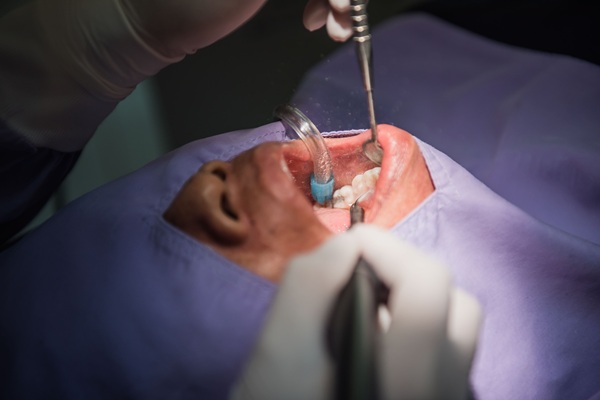
Looking for more information on oral surgery procedures? According to the Centers for Disease Control and Prevention, oral surgical procedures involve the incision, excision, or reflection of tissue that exposes the normally sterile areas of the oral cavity. A few examples of oral surgery procedures include implant surgery, tooth extractions, and performing any necessary gum grafting.
Reasons for oral surgery
Have you been wondering why oral surgery is necessary? There are many different reasons why a dental patient would need this type of dental procedure, all of which are necessary to improve their overall good dental health. Some of the more common reasons a patient would need to undergo a surgical process are because they want to get dental implants or have been diagnosed with TMD.
FAQs about oral surgery procedures
The list below includes some of the more frequently asked questions people have about dental procedures that require oral surgery.
How painful are oral surgical procedures?
Some oral surgical procedures will cause more pain than others, making it necessary for patients to understand what discomfort or pain they can expect after undergoing their oral surgery. For the most part, patients will need to rest for a few days after undergoing an oral surgical process. After that, they will be given any necessary pain medications to help them manage their pain levels.
How long does it take to place dental implants?
It takes a dentist about one hour to place a dental implant in a patient's mouth. While the initial placement does not take very long to perform, getting implants is a months-long process. It takes time for the implant to fully heal, which means the patient will need to make multiple appointments when they choose implants as their tooth replacement option.
How long does it take to recover from a gum graft?
Once a patient undergoes the surgical process of having a gum graft performed, they can expect it to take between three days to two weeks to recover from the surgery. As a result, it is essential for all patients to carefully follow the aftercare instructions given to them by their dentist. Examples of instructions include only eating soft foods, relaxing, and being careful when brushing and flossing.
Do you need oral surgery?
Now that you understand more about oral surgery procedures, are you in need of an appointment? The only way you can know whether oral surgery is in your near future is to make an appointment with a dentist for a full mouth evaluation. Once you undergo this evaluation, the dentist will create a customized dental treatment plan tailored to your specific needs. These plans will inform you of the steps you need to take to have a completely healthy mouth.
Request an appointment here: https://www.agatedental.com or call Agate Dental at (717) 254-4085 for an appointment in our Mechanicsburg office.
Check out what others are saying about our dental services on Yelp: Oral Surgery in Mechanicsburg, PA.
Related Posts
Replacing missing teeth is about more than just aesthetics. It is about how you eat, how you speak, and how you feel in social settings. Fortunately, implant-supported dentures can replace teeth in a way that looks beautiful and feels natural. While traditional dentures have long been the standard, many patients eventually find themselves looking for…
Dental crowns offer more than a cosmetic solution to fixing damaged teeth. They are a long-term investment in your oral health. While crowns are designed to be durable, they are not permanent and may need to be replaced in the future. By understanding the average lifespan of these dental restorations, you can protect your smile…
A strong relationship with a family dentist gives households a trusted partner in oral health. With regular visits, clear guidance, and practical tips, families learn how to protect their smiles through each stage of life. For instance, daily brushing and flossing, thoughtful food choices, and consistent professional care work together to reduce the risk of…
When a sports-related collision or fall occurs, an emergency dentist helps protect teeth, gums, and the jawbone from lasting harm. Dental trauma often looks minor at first, yet hidden cracks or nerve injuries may develop quickly. Acting fast supports comfort now and better outcomes later. Knowing what first steps to take can make all the…